
Hybrid work has changed commute optimization from what used to be a predictable scheduling exercise into an ongoing operational challenge. With office attendance fluctuating from day to day, it’s become harder than ever to align parking availability, commuter programs, and workplace resources with actual on-the-ground organizational transportation patterns.
Fixed policies don’t work when attendance is variable. Instead, employers need flexible strategies that adjust parking access, commuter incentives, and transportation resources in response to changing demand. With strategic flexibility, you get better parking utilization for less administrative effort. That creates a smoother commute experience for everyone, without requiring additional infrastructure.
Effective commute optimization in the hybrid work era depends on four priorities:
- Understanding real-world attendance patterns
- Replacing fixed policies with flexible alternatives
- Matching commute resources to daily demand
- Using performance data to guide ongoing adjustments
The first step is recognizing how hybrid attendance has changed commuter demand.
Understanding real-world attendance patterns
Hybrid work has broken the predictable attendance patterns that used to shape workplace transportation planning. Instead of serving the same commuter population every weekday, employers now experience fluctuations driven by changing schedules, team collaboration needs, seasonal activity, and shifting business priorities.
These attendance patterns rarely distribute themselves evenly or predictably. While some weekdays consistently attract on-site attendance in larger numbers, others leave parking facilities noticeably underused. If you apply the same parking policies every day, you ignore this variability. This creates avoidable parking costs, logistical inefficiencies, and excess congestion in parking facilities.
In the age of hybrid work, commute optimization begins by answering four practical questions:
- When does demand consistently peak?
- Where does parking reach capacity first?
- Who drives on high-attendance days?
- How do commuting patterns change over time?
The answers reveal patterns that static parking programs often miss. For example, you may have enough parking overall, but peak-period capacity in your most desirable facilities may lag behind. Rather than build new infrastructure, administrators can rebalance demand through:
- Targeted policy adjustments
- Flexible parking allocations
- Stronger support for alternative commuting options
This, in turn, creates a strong foundation for smarter resource planning. That’s why every successful commute optimization strategy starts with understanding how demand changes before deciding how to respond.
Replacing fixed policies with flexible alternatives
Once you’ve identified the distinct patterns that define your organization’s hybrid commuting, the next step is adapting your parking policies to match them. Here, the rule to remember is that policies designed for a full-time, five-day office schedule won’t work when attendance varies throughout the week.
As an example, think of the inefficiencies that arise from assigning permanent parking spaces to employees who work on-site only two or three days each week. That leaves valuable parking capacity unused, even as employees who need parking on peak attendance days struggle to find available spaces. The problem in this case isn’t a parking shortage. It’s a mismatch of supply and demand.
A more flexible approach allows parking resources to change alongside workplace activity. Rather than relying on static assignments, employers can adjust access based on expected demand, employee schedules, business priorities, or specific operational requirements.
Common strategies include:
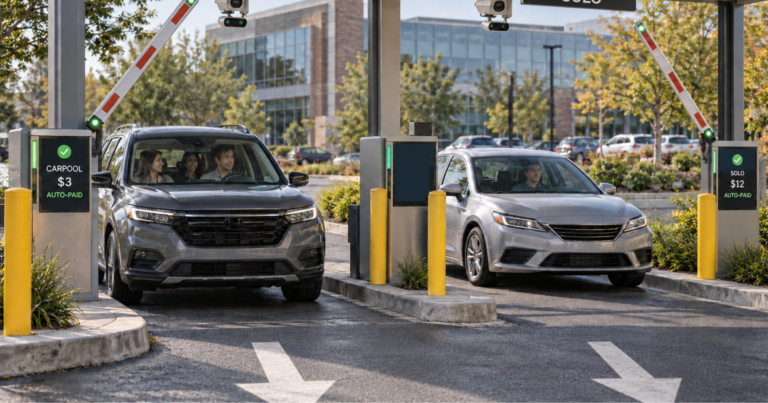
- Designing parking reservation systems around planned office attendance
- Adjusting commuter parking eligibility by day of the week
- Prioritizing spaces for employees with critical on-site responsibilities
- Encouraging alternative transportation during periods of peak demand
Flexible policies also improve the employee experience. Workers are more likely to view parking as fair when access reflects actual workplace needs instead of static parking assignments that no longer align with day-to-day operational realities.
As attendance patterns continue to evolve, your policies should evolve with them. Replacing fixed rules with adaptable parking alternatives helps employers make better use of existing resources while reducing unnecessary frustration for commuters.
Matching commute resources to daily demand
Flexible parking policies are an important element of an effective commute optimization strategy, but they’re only one part of a larger transportation demand management whole. You also need to ensure your transportation resources match changing commuter demand. Otherwise, some programs may become overused while others deliver little value.
As a first step, identify the commute resources employees actually use. Evaluate how your commuters engage with:
- Parking availability
- Public transit benefits
- Carpool and rideshare programs
- Cycling facilities
- Vanpools and shuttle services
Tracking usage patterns across these categories makes it much easier to direct resources where they’ll generate the most value.
For example, if Tuesday and Wednesday consistently produce the highest office attendance, you may need to plan additional parking capacity, expanded shuttle service, or stronger incentives for alternative transportation on those days. Then, on lower-attendance days, you can scale back those same resources. Efficiency improves. Commuting improves. Everyone wins.
This approach can also help you respond more quickly to changing workplace needs. As hybrid schedules evolve, commute resources can evolve alongside them instead of remaining locked into assumptions that don’t match the way things actually work.
Using performance data to guide ongoing adjustments
Commute optimization isn’t something you can set up once and forget about. As hybrid work continues to evolve, your transportation programs should evolve alongside it. That means regularly measuring performance and making adjustments based on actual verified results.
Here, the key is to focus on data that supports better decisions. Look at factors and performance elements like:
- Parking occupancy rates
- Office attendance
- Permit utilization
- Reservation activity
- Commuter program participation
These equip you valuable insights into how transportation resources are being used from day to day and week to week.
Over time, these metrics can reveal trends that you may not otherwise have noticed. For example, a parking facility that routinely reaches capacity every Tuesday indicates a need to adjust parking allocations or offer more alternative commuting options that day. Similarly, consistently low participation in commuter programs may suggest their design and function no longer align with employee preferences or needs. From there, you can make strategic changes and see how those changes perform.
Data also helps employers evaluate whether policy changes are delivering the intended results. Instead of relying on assumptions or anecdotal feedback, you can specifically measure how policy adjustments affect parking utilization, commuter participation, and overall operational efficiency.
Organizations that review performance regularly are better positioned to respond to changing workplace demands. Small, incremental adjustments based on reliable data often produce better long-term results than large-scale policy changes made in response to isolated issues. Over time, this creates a commute optimization strategy that stays effective, even as your employee needs and workplace operations change.
Commute optimization starts with the adaptability the CommuteHub platform delivers
Hybrid work doesn’t require more parking or more commuter programs. It requires commute optimization and better parking management.
CommuteHub gives employers the tools to put a flexible commute strategy into practice:
- Automate hybrid parking policies with daily permits, tiered access, waitlists, and rule-based approvals
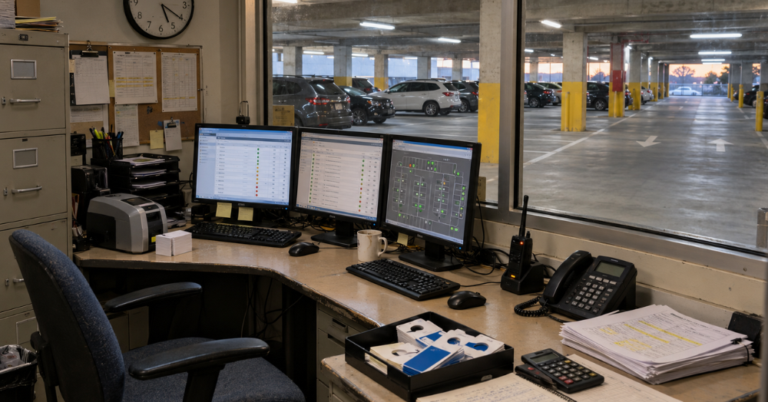
- Let employees reserve parking when they need it, while administrators monitor occupancy, adjust capacity, and manage exceptions in real time
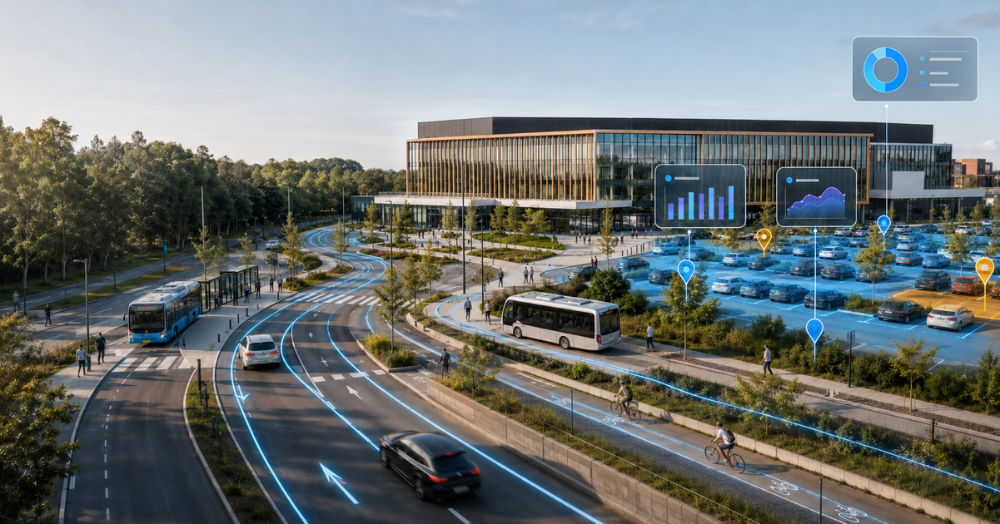
- Track utilization trends and commuter behavior through dashboards, reports, and analytics that support ongoing policy improvements
- Integrate parking with commuter benefits and transportation programs so every commute option is managed from a single platform
Ready to modernize your organization’s commute experience? Schedule a personalized CommuteHub demo and see how a more adaptive approach can improve parking utilization, simplify administration, and better support your hybrid workforce.