
Commute software delivers the most value when employees actually use it — and employees use it when it delivers value. To unlock that value, look out for these common missteps and overlooked features that often stall employee adoption:
Generic onboarding that ignores where employees actually live
THE PITFALL: Your commute software presents the same generic options to everyone, regardless of their home location, schedule, or role. Most employees find nothing relevant and disengage immediately. Underwhelming first impressions are hard to recover from.
THE FIX: Personalize options at the onboarding stage. Employees should see transit routes, active commute paths, and available incentives specific to their actual commute — not a generic regional menu.
Incentives that reward enrollment instead of behavior
THE PITFALL: Programs that award points for signing up, attending a webinar, or self-reporting trips generate short-term participation metrics that don’t usually translate into sustained behavior change. Without a verification element, the program’s data and its credibility both erode.
THE FIX: Tie rewards to verified trips, and confirm those trips through GPS logging. Employees who earn incentives for actual mode-shift behavior participate at higher rates over time — and you can also use the data they generate in your commute-related compliance reporting.
No social layer to sustain momentum
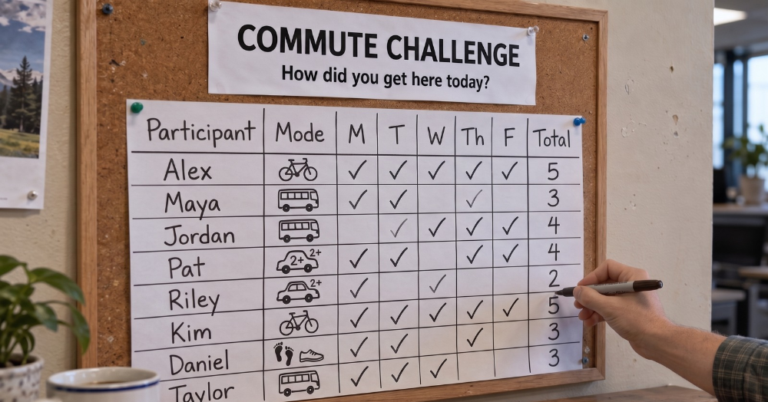
THE PITFALL: Without a social dimension, like team-based challenges, leaderboards, and peer visibility, engagement typically peaks at launch before steadily declining. Individual incentives can move behavior, but only at the margins.
THE FIX: Create time-bounded challenges with elements of friendly competition among departments or working cohorts. Commuter challenges help sustain program participation between incentive cycles. They also serve as an effective acquisition channel for new participants, since employees who wouldn’t be likely to enroll themselves will often join when their team is involved.
Parking and commute programs that don’t talk to each other
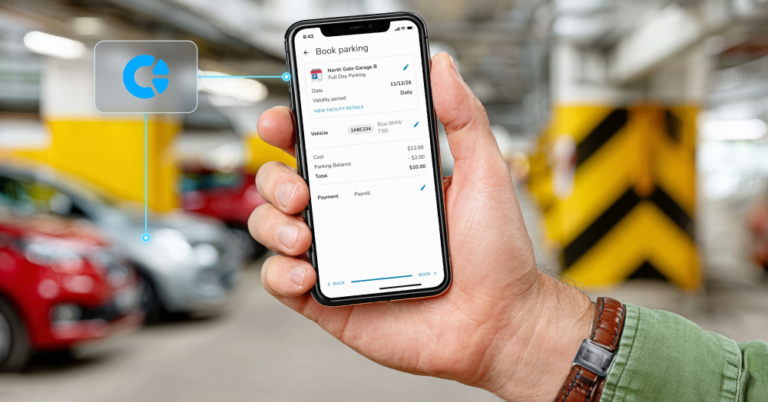
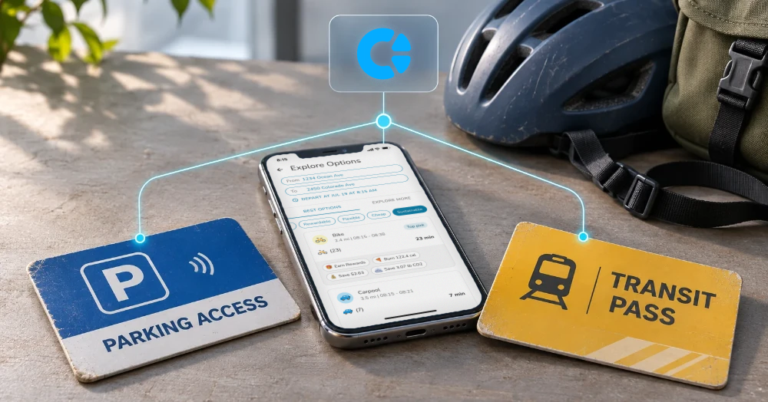
THE PITFALL: Siloed parking management and commuter programs create engagement gaps. Employees are left to navigate both sides independently, and most don’t. An employee who can see that today’s transit fare costs less than today’s parking reservation — in the same interface, at the moment of decision — is far more likely to leave their car at home.
THE FIX: Integrated platforms display the full financial picture, and they do it at the crucial juncture when you want to connect with a commuter: the moment they make their modal decision for the day. Integration has the power to convert program awareness into actual behavior change.
A guaranteed ride home that’s hard to access
THE PITFALL: If accessing a guaranteed ride home feels uncertain or complicated right when an employee actually needs one, it won’t remove the psychological barrier it was designed to address. Guaranteed ride home programs that exist in policy documents but require employees to navigate a cumbersome request process may as well not exist.
THE FIX: GRH works when it’s visible, pre-approved, and requestable in seconds through the same platform employees already use every day.
Close every commute software gap with CommuteHub
Personalized, AI-powered onboarding, GPS-verified incentive programs, challenge and leaderboard tools, and seamless GRH administration all operate within CommuteHub’s unified platform. Meanwhile, integrated parking and commute management features connect both sides of the commute decision in a single interface. That keeps employees engaged, right from their very first commute.
Talk to a CommuteHub expert to arrange a personalized demo today.